
How Often Should You Get an Oil Change in South Florida?
September 25, 2025
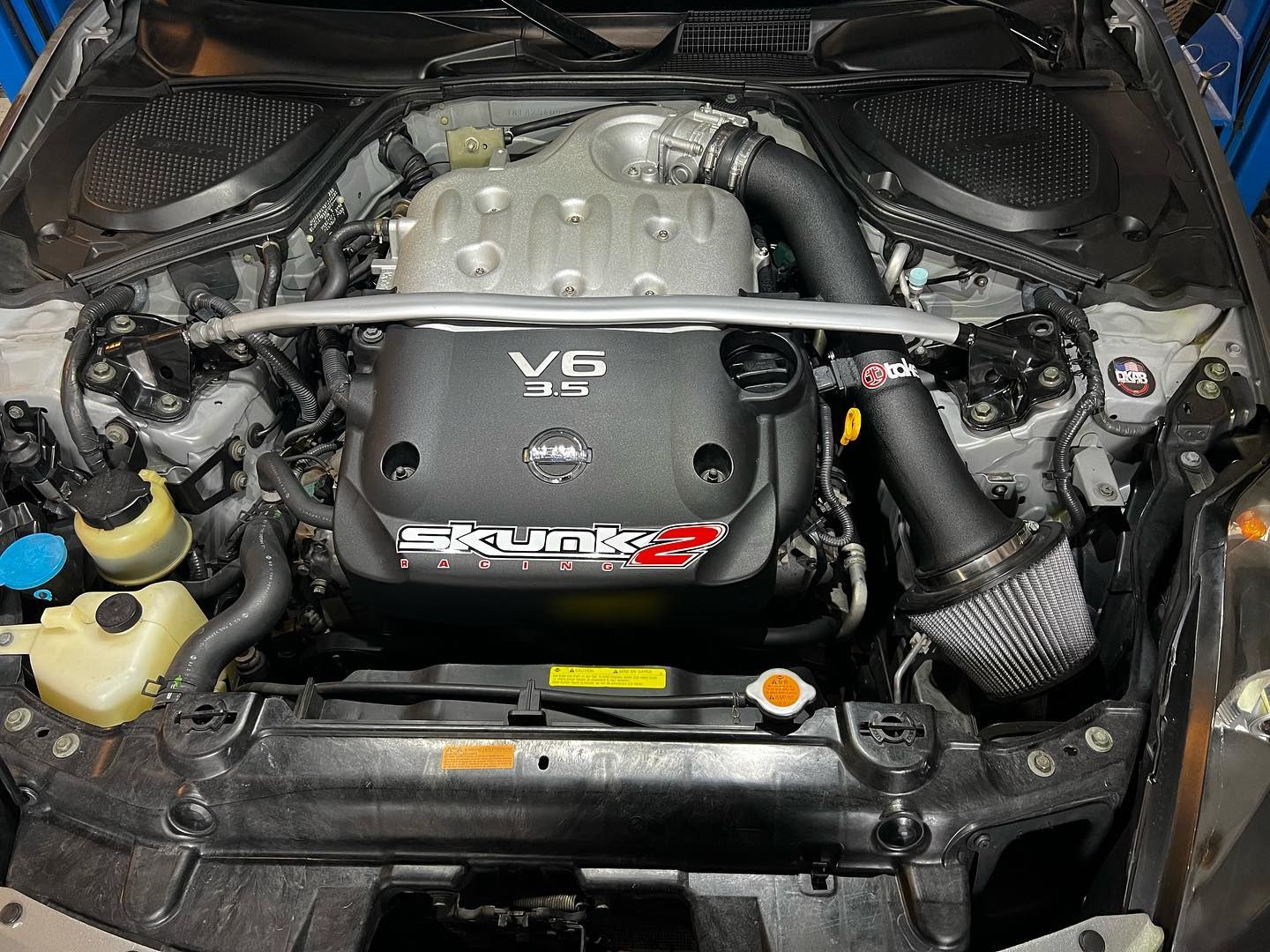
Regular oil changes are one of the most important - and cost-effective - maintenance steps to keep your vehicle running smoothly. However, if you live in a hot and humid area like South Florida, the common "every 3,000 miles" guideline might not always apply.
At DKAR Professional Services in Deerfield Beach, FL, we frequently get asked, "How often should I change my oil in Florida?" The answer varies based on factors such as your vehicle type, driving habits, and local climate.
We’re here to explain everything you need to know about how often to change your oil in South Florida, the signs that indicate it’s time for an oil change, and why staying on top of oil maintenance is crucial for your engine’s health.
Why Oil Changes Matter
Engine oil is the lifeblood of your vehicle. It lubricates internal components, reduces heat, prevents corrosion, and helps remove dirt and debris.
Skipping or delaying an oil change can lead to:
- Increased engine wear
- Poor fuel efficiency
- Overheating
- Sludge buildup
- Complete engine failure
Neglecting oil changes is one of the leading causes of engine breakdowns, especially in climates like South Florida where high temperatures speed up oil degradation.
Oil Change Recommendations by Vehicle Type
1. Conventional Oil Vehicles
If your car uses conventional motor oil, most mechanics recommend changing it every 3,000 to 5,000 miles or every 3 to 4 months, whichever comes first.
2. Synthetic Oil Vehicles
Synthetic oil lasts longer and performs better under extreme conditions. You can usually go 7,500 to 10,000 miles between oil changes, depending on the manufacturer’s recommendation.
However, in hot, humid climates like South Florida, even synthetic oil may break down faster.
3. Older Vehicles (10+ Years)
Older cars often require more frequent oil changes - especially if they leak oil or have worn seals. Plan for service every 3,000 to 5,000 miles, even with synthetic oil.
4. High-Performance or Turbocharged Engines
These engines run hotter and put more stress on oil. Even with synthetic blends, you should change the oil every 5,000 to 7,000 miles.
How South Florida’s Climate Affects Oil Life
1. Heat and Humidity
South Florida’s year-round heat causes oil to thin out faster, reducing its ability to protect your engine. The higher the temperature, the more pressure on your oil and lubrication system.
2. Stop-and-Go Traffic
Deerfield Beach and surrounding areas like Pompano Beach and Boca Raton have frequent traffic congestion, especially during tourist season. Short trips, idling, and stop-and-go traffic increase engine stress and shorten oil life.
3. Coastal Corrosion and Salt Air
Living near the ocean exposes your vehicle to salty, humid air, which accelerates corrosion - especially in older engines. Keeping oil fresh helps fight the effects of corrosion from the inside.
Local Tip: Even if you’re not hitting mileage thresholds, you should still change your oil at least twice a year in South Florida to ensure engine health.
Signs You Need an Oil Change Now
Even if you’re not tracking mileage closely, your vehicle may show signs that the oil is dirty or the engine is stressed.
Look out for these warning signs:
- Dark, dirty oil on the dipstick
- Engine knocking or ticking sounds
- Exhaust smoke instead of vapor
- Oil smell inside the cabin
- Poor fuel efficiency
- Check engine or oil pressure light
- Rough idling or poor acceleration
Pro Tip: Check your oil at least once a month. Pull the dipstick when the engine is cool. If the oil is dark, gritty, or low, schedule an appointment as soon as possible.
What Happens During an Oil Change at DKAR?
At DKAR, we provide comprehensive oil change services for all makes and models, using high-quality motor oils matched to your vehicle’s needs.
Our standard oil change service includes:
- Draining old oil
- Replacing the oil filter
- Filling with fresh motor oil (conventional, synthetic blend, or full synthetic)
- Checking and topping off all fluids
- Tire pressure check
- Basic visual inspection of belts, hoses, and leaks
We’ll also advise you on when your next oil change should be, based on your vehicle and driving conditions.
Choosing the Right Oil for South Florida Driving
Choosing the right type of oil is critical - especially in a warm, coastal climate like ours.
Oil Types:
- Conventional Oil: Budget-friendly, but less resistant to breakdown under heat
- Synthetic Blend: Middle-ground option; better protection than conventional
- Full Synthetic: Best for heat resistance, longevity, and engine cleanliness
Oil Viscosity:
- Most vehicles in Florida do well with 5W-30 or 5W-20, but always check your owner’s manual.
Need help choosing the right oil? Our techs at DKAR can recommend the best match for your engine and driving style.
FAQs About Oil Changes in South Florida
How do I know if my car uses synthetic oil?
Your owner’s manual will list the recommended oil type. Newer vehicles usually require full synthetic. You can also ask your mechanic during your next visit.
What happens if I go too long between oil changes?
Delaying oil changes can lead to:
- Engine sludge
- Worn engine bearings
- Lower fuel economy
- Higher engine temperatures
- Risk of total engine failure
Does synthetic oil really last longer?
Yes, synthetic oil offers better temperature resistance and lubrication. It can last up to 10,000 miles, but in hot climates, 6,000-8,000 is often safer.
Can I get an oil change without an appointment?
Yes! DKAR Professional Services welcomes walk-ins. But for faster service, we recommend calling ahead at (561) 503-0149.
Trusted Oil Change Services in Deerfield Beach, FL
If you live in Deerfield Beach, Pompano Beach, Lighthouse Point, or nearby areas, regular oil changes are a must - especially with the South Florida heat.
At DKAR Professional Services, we offer:
- Fast, reliable oil changes
- Affordable pricing on synthetic and conventional oils
- Honest recommendations and clear explanations
- Fleet service options for businesses
- Locally owned and operated care you can trust
We’re here to keep your engine running clean and smooth - no upselling, no pressure, just real service.
Schedule Your Oil Change Today
Don’t wait until your engine starts knocking or your check engine light comes on. If it’s been over 3,000-5,000 miles or more than six months since your last oil change, it’s time to take care of it.
DKAR Professional Services is your go-to shop in Deerfield Beach for fast, affordable, and expert oil change service.
Contact Information:
DKAR Professional Services
259 SE 1st Terrace, Suite 8
Deerfield Beach, FL 33441
Phone: (561) 503-0149